Restore Your Smile With Dental Implants
Missing teeth can affect your ability to eat, speak, and smile with confidence. Dental implants offer a stable, natural-looking solution for replacing missing teeth and restoring everyday function.
At Moore Family Dental Care, we provide personalized dental implant treatment to help restore your smile and improve your oral health. Dental implant treatment involves several steps, from evaluating your jawbone and placing the implant to completing the final restoration. Our team will help you understand each stage of treatment and develop a plan based on your individual needs.
Implant Treatment Planning
Every patient should have a complete implant treatment plan before beginning the procedure. During your evaluation, we will assess your oral health, available bone support, and tooth replacement needs to determine the appropriate treatment approach.
Your treatment plan will outline the procedures involved, expected timeline, and associated costs, including both implant placement and the final restoration. Having a complete plan helps you understand what to expect and prepare for each stage of treatment.
Implant Placement
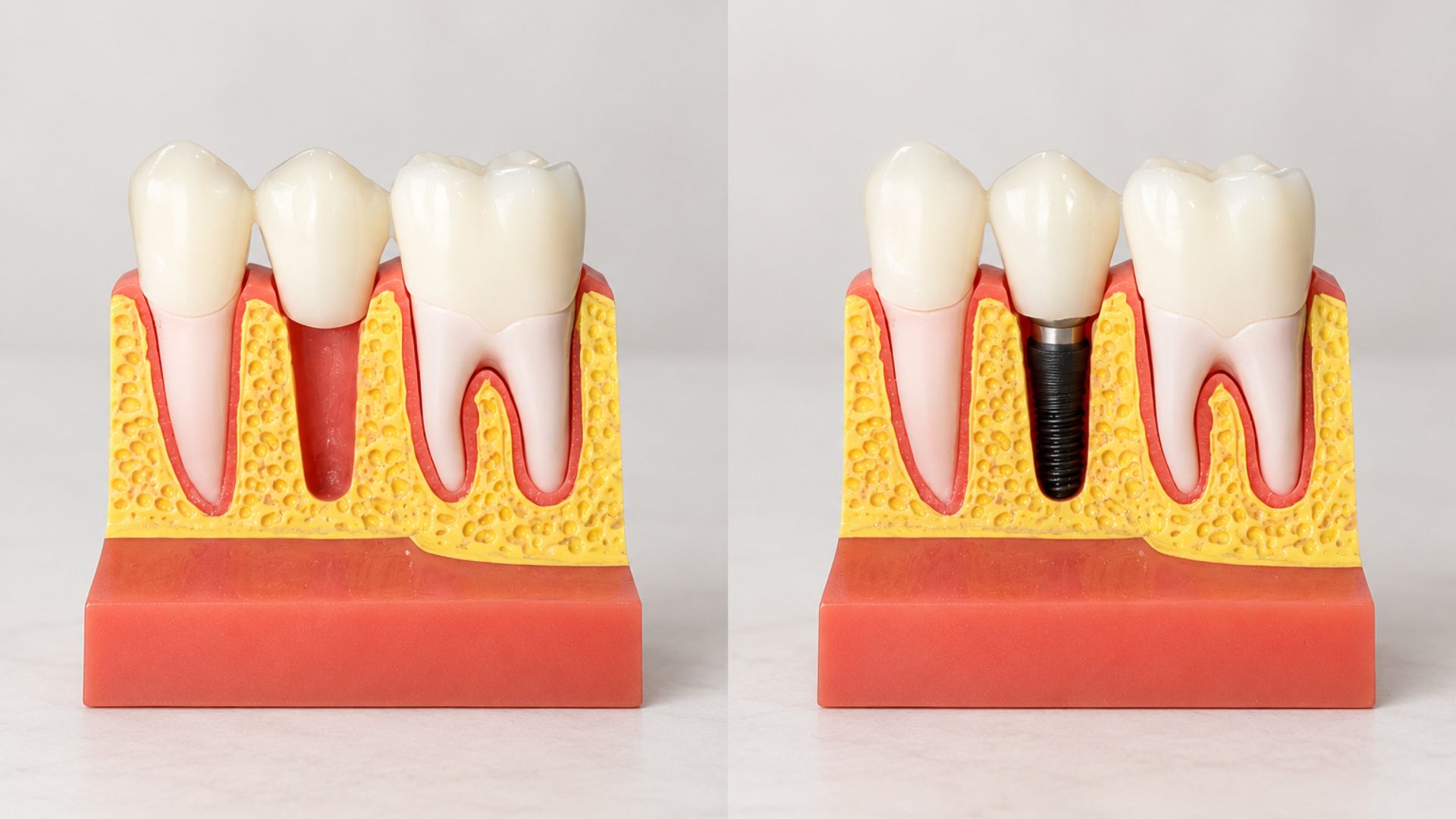
Dental implant placement involves positioning a small implant in the jawbone to serve as a stable foundation for replacement teeth. Before placement, some patients may need additional preparation, such as bone grafting, to provide adequate support.
After the implant is placed, it needs time to heal and integrate with the surrounding bone. This healing period generally takes three to six months. Once the implant has healed appropriately, the restoration process can begin.
Bone Grafting
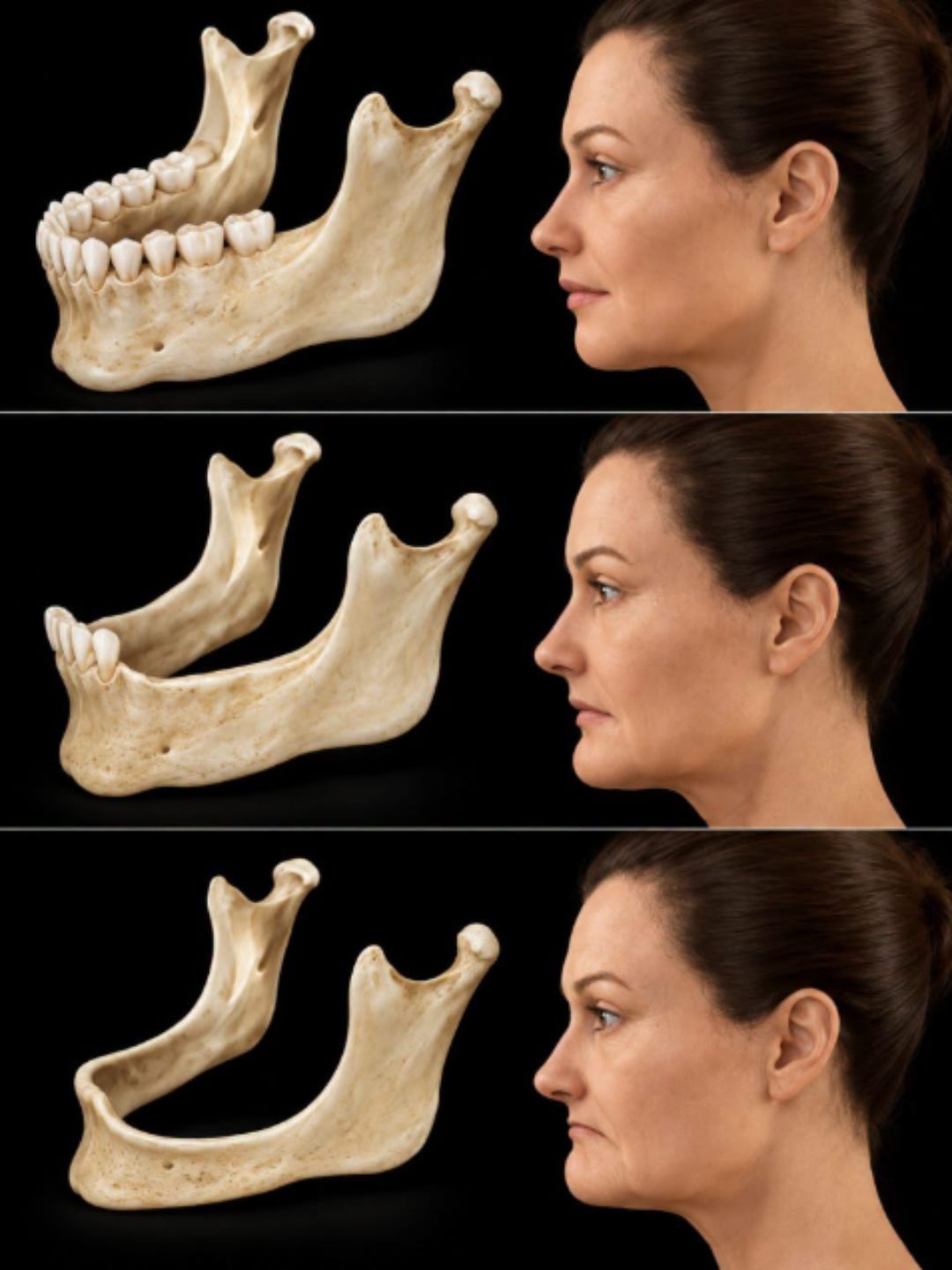
Some patients do not have enough healthy jawbone to support dental implants. In these situations, bone grafting may be recommended to help prepare the jaw for implant placement.
A bone graft adds material to the area where additional bone support is needed. Following the procedure, proper healing is important for the success of the graft. You may notice small bone graft particles in your mouth during the first several days. This is generally normal, but you should avoid disturbing the grafted area while it heals.
Our team will provide home-care instructions to help protect the graft and promote healing.
CBCT Guided Planning
Careful planning is an important part of dental implant treatment. CBCT-guided planning uses three-dimensional imaging to help evaluate the jawbone and surrounding structures when planning implant placement.
This type of imaging can help assess the available bone and determine the appropriate position for an implant. Your dentist can discuss whether CBCT imaging is appropriate for your treatment needs.
Implant Restoration
Placing the dental implant is only one part of the treatment process. Once the implant has healed, it must be restored with a replacement tooth or teeth to complete your smile.
Depending on your needs, the final implant restoration may include a crown, bridge, or fixed hybrid denture. Restoration is an important part of treatment, and it is essential to complete it in a timely manner. For patients receiving a final fixed hybrid denture, restoration should be completed within six months to help maintain implant stability and long-term success.
Remember to include both the implant placement and restoration fees when planning for treatment.
Implant Bridges
If you are missing several adjacent teeth, implant bridges may provide a stable alternative to traditional tooth-supported bridges. Dental implants support the bridge, helping restore the appearance and function of your smile without relying on neighboring natural teeth for support.
Our team can evaluate your oral health and discuss whether an implant-supported bridge is an appropriate option.
Implant-Supported Dentures
Implant-supported dentures use dental implants to help stabilize replacement teeth. They can provide additional support compared with traditional dentures that rely on suction or adhesives.
For patients missing most or all of their teeth, implant-supported dentures may help restore everyday function and improve denture stability. Your dentist will discuss the appropriate restoration based on your needs and treatment plan.
Schedule a Dental Implant Consultation
Ready to explore your tooth replacement options? Contact Moore Family Dental Care to schedule a consultation. Our team is here to help you understand the dental implant process and find a treatment approach that supports your smile and oral health.
How long does dental implant treatment take?
Dental implant treatment generally involves two to three steps: preparing the bone if necessary, placing the implant, and completing the final restoration. After placement, the implant typically needs three to six months to heal. Depending on your individual situation, treatment can take four to twelve months or longer. Your dentist can provide a more specific estimate based on your treatment plan.
Are dental implants always successful?
Dental implants have a high success rate, typically 95% or higher. However, certain factors, including smoking, diabetes, overall health, and healing ability, can affect the outcome. Your dentist will evaluate your individual circumstances and discuss factors that may influence treatment success.
How do I maintain my dental implants?
You should clean your implants twice a day, just like natural teeth, and attend regular dental checkups every six months. If you receive routine dental care elsewhere, return to Moore Family Dental Care annually for an implant evaluation.
Does the implant placement fee include the final restoration?
Not necessarily. Implant placement and implant restoration may have separate fees. Every patient should receive a complete treatment plan outlining all associated charges. Be sure to account for both expenses when budgeting for your dental implant treatment.
Can I leave my dental implants unrestored?
Dental implants should be restored promptly. Although it may be acceptable to leave an implant unrestored for a short period, delaying restoration for too long can allow the implant to deteriorate and may compromise its stability and success.